The Hydrangea: A Flower Of Many Colors
The Hydrangea: A Flower of Many Colors
Hydrangeas are some of the most popular flowers in the world, and for good reason. They come in a wide variety of colors, from blue to pink to purple to white, and they can be grown in a variety of climates. But what many people don't know is that the color of hydrangea flowers is actually determined by the pH of the soil.
In acidic soil, hydrangeas will produce blue flowers. In alkaline soil, they will produce pink or red flowers. And in neutral soil, they will produce white flowers. This is because the amount of aluminum that the plant can absorb is affected by the pH of the soil. In acidic soil, there is more aluminum available for the plant to absorb, which produces blue flowers. In alkaline soil, there is less aluminum available, which produces pink or red flowers.
In addition to the pH of the soil, the amount of sunlight that the plant receives can also affect the color of the flowers. In full sun, hydrangeas will tend to produce bluer flowers. In partial shade, they will tend to produce pinker flowers.
So, if you want to grow hydrangeas with a specific color, you can adjust the pH of your soil or the amount of sunlight that the plants receive. However, it's important to note that the color of the flowers may also vary depending on the variety of hydrangea that you plant. Some varieties are more likely to produce blue flowers, while others are more likely to produce pink or red flowers.
In addition to their beautiful colors, hydrangeas are also relatively easy to care for. They prefer moist, well-drained soil, and they should be watered regularly during the growing season. They can be pruned in the spring or fall, and they will typically bloom from late spring to early fall.
Hydrangeas are a beautiful and versatile addition to any garden. They can be grown in containers or in the ground, and they can be used to create a variety of different looks. Whether you want to add a splash of color to your garden or create a focal point, hydrangeas are a great choice.
Here are some additional facts about hydrangeas:
- The name "hydrangea" comes from the Greek words "hydro" (water) and "angos" (vessel), which refers to the shape of the flowers.
- Hydrangeas are native to Asia, Europe, and North America.
- There are over 700 different species of hydrangeas.
- Hydrangeas are a symbol of gratitude and thoughtfulness.
- Hydrangeas can be used to make tea, syrup, and jelly.
If you're thinking about adding hydrangeas to your garden, here are a few tips:
- Choose a variety that is suited to your climate.
- Plant hydrangeas in full sun or partial shade.
- Water hydrangeas regularly, especially during the growing season.
- Fertilize hydrangeas every spring with a balanced fertilizer.
- Prune hydrangeas in the spring or fall.
With a little care, hydrangeas will thrive in your garden for many years to come.
Hydrangeas are beautiful flowering shrubs that come in a variety of colors, including white, pink, blue, and purple. They are a popular choice for gardens because they are relatively easy to care for and they can add a touch of elegance to any landscape.
If you are interested in learning more about hydrangeas, I recommend visiting . This website has a wealth of information about hydrangeas, including how to choose the right type of hydrangea for your climate, how to plant and care for hydrangeas, and how to prevent pests and diseases.
FAQ of a hydrangea
Question 1: What are the different types of hydrangeas?
Answer: There are over 75 species of hydrangeas, but the most common types are:
- Mophead hydrangeas: These hydrangeas have large, round flower heads that are made up of many small petals.
- Peegee hydrangeas: These hydrangeas have tall, narrow flower spikes that are made up of many small petals.

- Lacecap hydrangeas: These hydrangeas have flat flower heads that are made up of two types of petals: large, showy petals on the outside and smaller, fertile petals on the inside.
- Tree hydrangeas: These hydrangeas grow into small trees and have large, panicle-shaped flower clusters.
Question 2: How do I get my hydrangeas to bloom?
Answer: Hydrangeas need full sun to partial shade and well-drained soil. They also need regular watering, especially during the summer months. If you live in an area with alkaline soil, you may need to add aluminum sulfate to the soil to get your hydrangeas to bloom blue.
Question 3: Why are my hydrangeas turning pink?
Answer: The color of hydrangea flowers is determined by the pH of the soil. In acidic soil, hydrangeas will bloom blue. In alkaline soil, hydrangeas will bloom pink. If you want to change the color of your hydrangeas, you can adjust the pH of the soil.
Question 4: How do I care for hydrangeas during the winter?
Answer: Hydrangeas are hardy in USDA zones 3-9. In colder climates, you may need to protect your hydrangeas from frost by covering them with a burlap sack or evergreen boughs. You should also stop watering your hydrangeas in the fall so that the roots can go dormant for the winter.
Question 5: Are hydrangeas poisonous?
Answer: Yes, hydrangeas are poisonous to humans and animals. The leaves, stems, and flowers of hydrangeas contain cyanogenic glycosides, which can cause nausea, vomiting, and diarrhea if ingested. If you have pets or children, it is important to keep hydrangeas out of their reach.
Image of a hydrangea
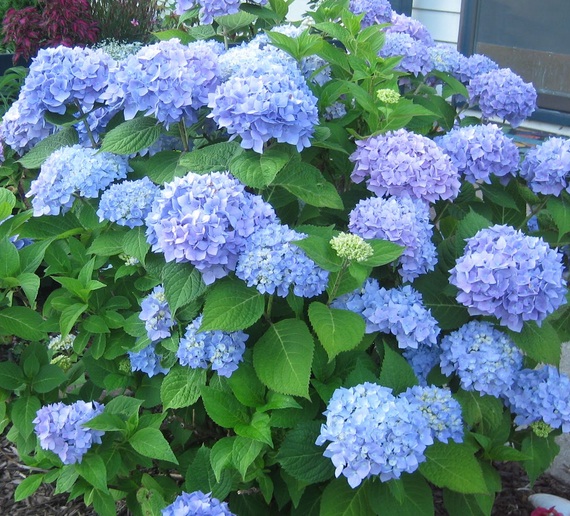
- Blue hydrangea: This is a popular type of hydrangea that blooms in shades of blue, purple, and pink. The blue color is caused by the presence of aluminum in the soil.
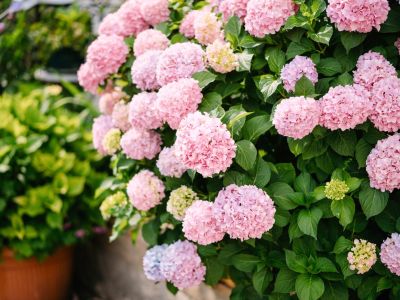
- Pink hydrangea: This type of hydrangea blooms in shades of pink and red. The color is determined by the pH of the soil, with acidic soils producing blue flowers and alkaline soils producing pink flowers.
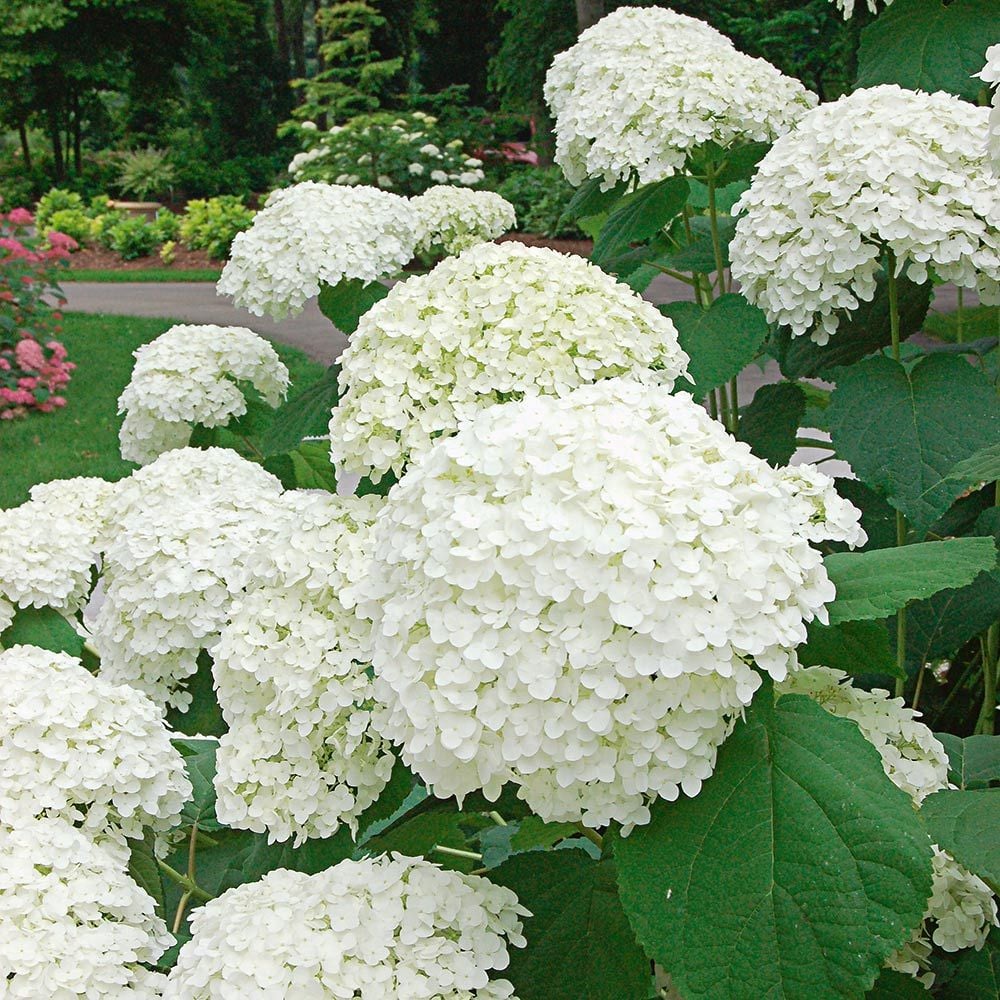
- White hydrangea: This type of hydrangea blooms in shades of white, cream, and green. It is a popular choice for wedding bouquets and arrangements.
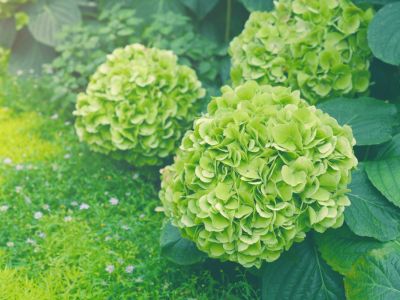
- Green hydrangea: This type of hydrangea is rare and is often found in Japan. The flowers are a pale green color and have a delicate fragrance.
- Mophead hydrangea: This type of hydrangea is characterized by its large, round flowers. It is a popular choice for landscaping and is often used to create hedges or borders.
Post a Comment for "The Hydrangea: A Flower Of Many Colors"