How To Make Your Own Compost For A Bountiful Vegetable Garden
Introduction
Compost is a nutrient-rich soil amendment that can be made from organic materials such as food scraps, yard waste, and manure. It is a great way to improve the quality of your soil, reduce your waste, and save money on fertilizer.
If you have a vegetable garden, compost is essential for growing healthy, productive plants. Compost provides your plants with the nutrients they need to thrive, and it also helps to improve the drainage and aeration of your soil.
In this blog post, I will show you how to make your own compost for a bountiful vegetable garden. I will cover everything from choosing the right materials to turning your compost pile.
Main Content
Choosing the Right Materials
The first step to making compost is choosing the right materials. You will need a mix of green and brown materials. Green materials are high in nitrogen, while brown materials are high in carbon.
Some good green materials include:
- Kitchen scraps (fruit and vegetable scraps, coffee grounds, tea bags, eggshells)
- Grass clippings
- Weeds
- Manure
Some good brown materials include:
- Shredded leaves
- Straw
- Sawdust
- Newspaper
- Cardboard
The ideal ratio of green to brown materials is 3:1. However, you can adjust this ratio depending on the materials you have available.
Building Your Compost Pile
Once you have gathered your materials, you can start building your compost pile. The best place to build your compost pile is in a shady spot that gets good drainage.
The size of your compost pile will depend on how much compost you need. A small pile for a home garden can be as small as 3 feet by 3 feet. A larger pile for a commercial operation can be much larger.
To build your compost pile, start by creating a base of brown materials. Then, add a layer of green materials. Continue alternating layers of green and brown materials until you reach the desired height of your pile.
Watering and Turning Your Compost Pile
Your compost pile will need to be watered regularly. The amount of water you need to add will depend on the size of your pile and the weather conditions.
You will also need to turn your compost pile regularly. This helps to aerate the pile and speed up the composting process.
Composting Timeframe
The amount of time it takes for compost to break down will vary depending on the materials you use, the size of your pile, and the temperature.
In general, it takes about 3-6 months for compost to break down completely. However, you can start using compost in your garden even before it is fully finished.
Using Your Compost
Once your compost is finished, you can use it in your garden. Compost can be used to improve the quality of your soil, reduce your need for fertilizer, and attract beneficial insects.
To use compost, simply spread it evenly over your garden soil. You can also mix it into the soil before planting your seeds or seedlings.
Conclusion
Making your own compost is a great way to improve the quality of your soil, reduce your waste, and save money on fertilizer. It is also a fun and rewarding project that you can do with your family.
So what are you waiting for? Start composting today!
Compost is a gardener's best friend. It's a free, natural way to improve your soil and help your vegetables grow strong and healthy. But not all compost is created equal. If you want the best compost for your vegetable garden, you need to make sure it's balanced and free of contaminants.
That's where Garden Wiki comes in. [Website address] is a comprehensive resource for all things compost. They have a wealth of information on how to make compost, how to use compost, and the benefits of compost for vegetable gardens.
In addition to their informative articles, Garden Wiki also offers a variety of resources, including:
- A compost calculator to help you determine the right amount of compost for your garden
- A compost troubleshooting guide to help you solve any problems you may encounter
- A compost forum where you can ask questions and get advice from other gardeners
So if you're serious about growing healthy vegetables, I encourage you to visit Garden Wiki. They have everything you need to know about compost for vegetable gardens.
FAQ of compost for vegetable garden
1. What is compost and how does it benefit vegetable gardens?
Compost is a natural fertilizer made from the decomposition of organic materials. It is rich in nutrients that are essential for plant growth, including nitrogen, phosphorus, potassium, and trace elements. Compost also helps to improve the soil structure, making it more porous and able to hold more water and nutrients. This can lead to healthier, more productive vegetable gardens.
2. What are some good materials to use for compost?
There are many different materials that can be used to make compost, including vegetable scraps, fruit scraps, yard waste, coffee grounds, and eggshells. It is important to include a variety of materials in your compost pile to create a balanced mix of nutrients.
3. How do I start a compost pile?
There are many different ways to start a compost pile. You can build a traditional compost pile, use a tumbler, or even compost in your backyard. The most important thing is to choose a method that is convenient for you and that will allow you to add materials to your compost pile on a regular basis.
4. How long does it take for compost to break down?
The time it takes for compost to break down depends on a number of factors, including the type of materials you are composting, the size of your compost pile, and the temperature. In general, it takes about 3-6 months for compost to break down completely.
5. How do I use compost in my vegetable garden?
There are many different ways to use compost in your vegetable garden. You can mix it into the soil before planting, top-dress your plants with it, or use it as a mulch. Compost can also be used to make potting mix.
Image of compost for vegetable garden
- Image 1: A pile of compost in a backyard garden. The compost is dark brown and crumbly, and there are a variety of materials visible, including leaves, grass clippings, and vegetable scraps.

- Image 2: A worm composting bin in a kitchen. The bin is made of plastic and has a clear lid, so you can see the worms and the compost as it breaks down.
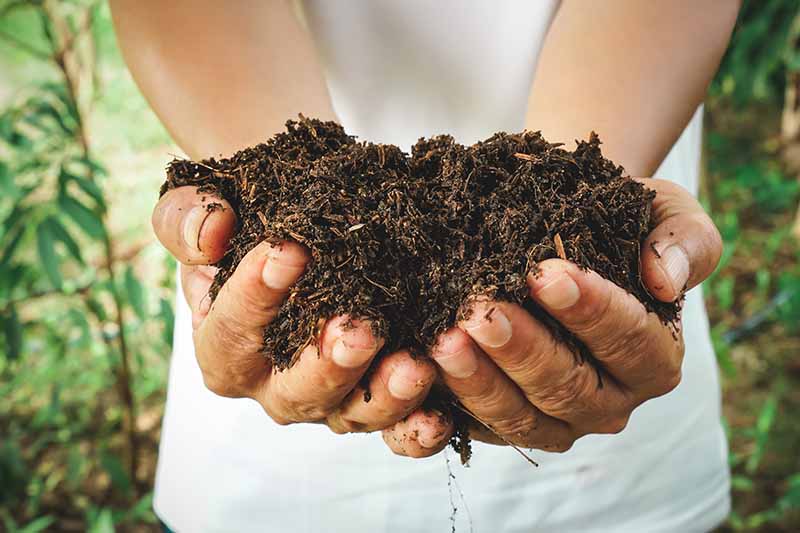
- Image 3: A close-up of a handful of compost. The compost is dark brown and rich in nutrients. There are small pieces of leaves, grass, and vegetable scraps visible.
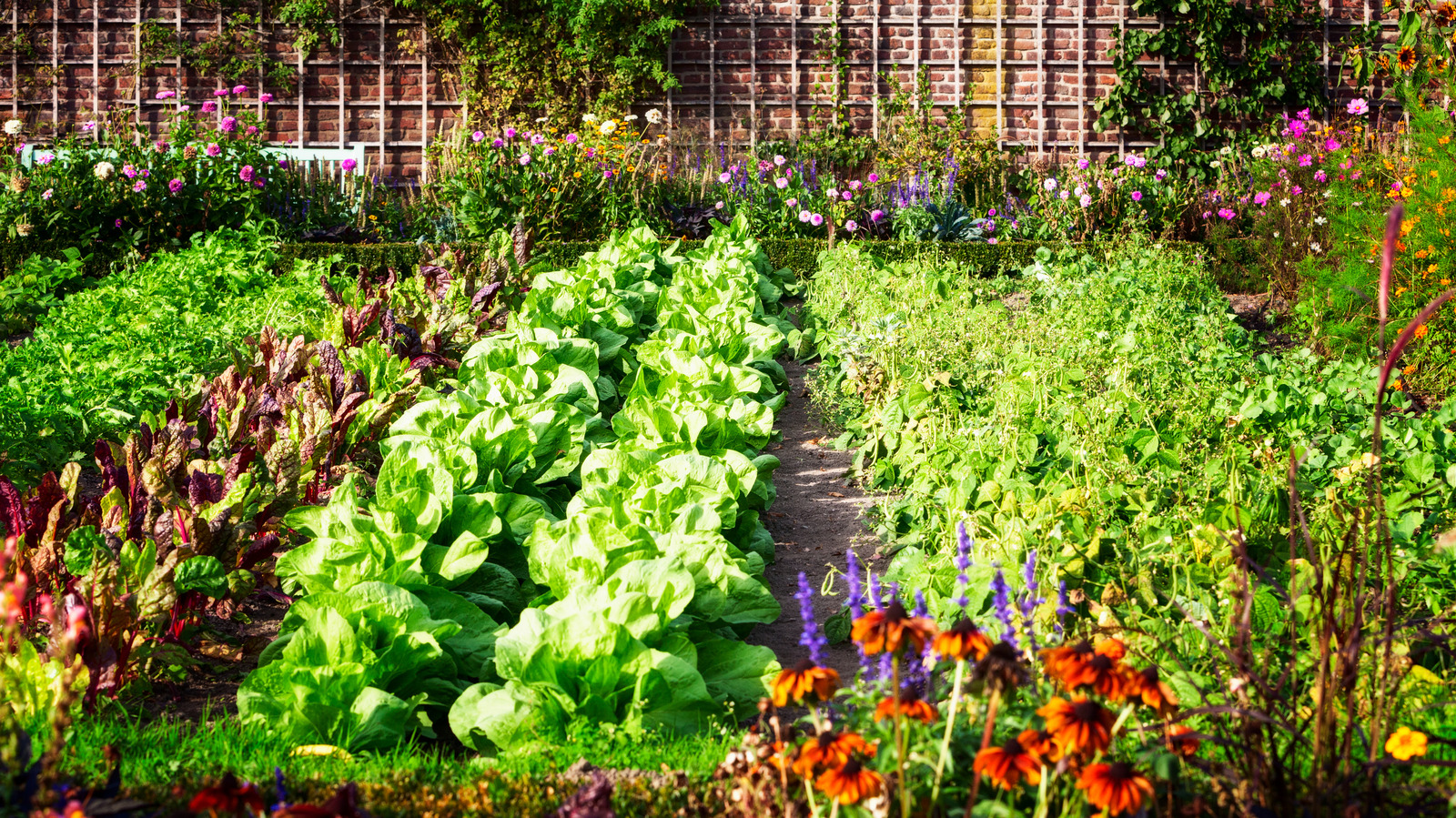
- Image 4: A vegetable garden with healthy plants. The plants are green and lush, and they are clearly thriving in the rich, compost-enriched soil.
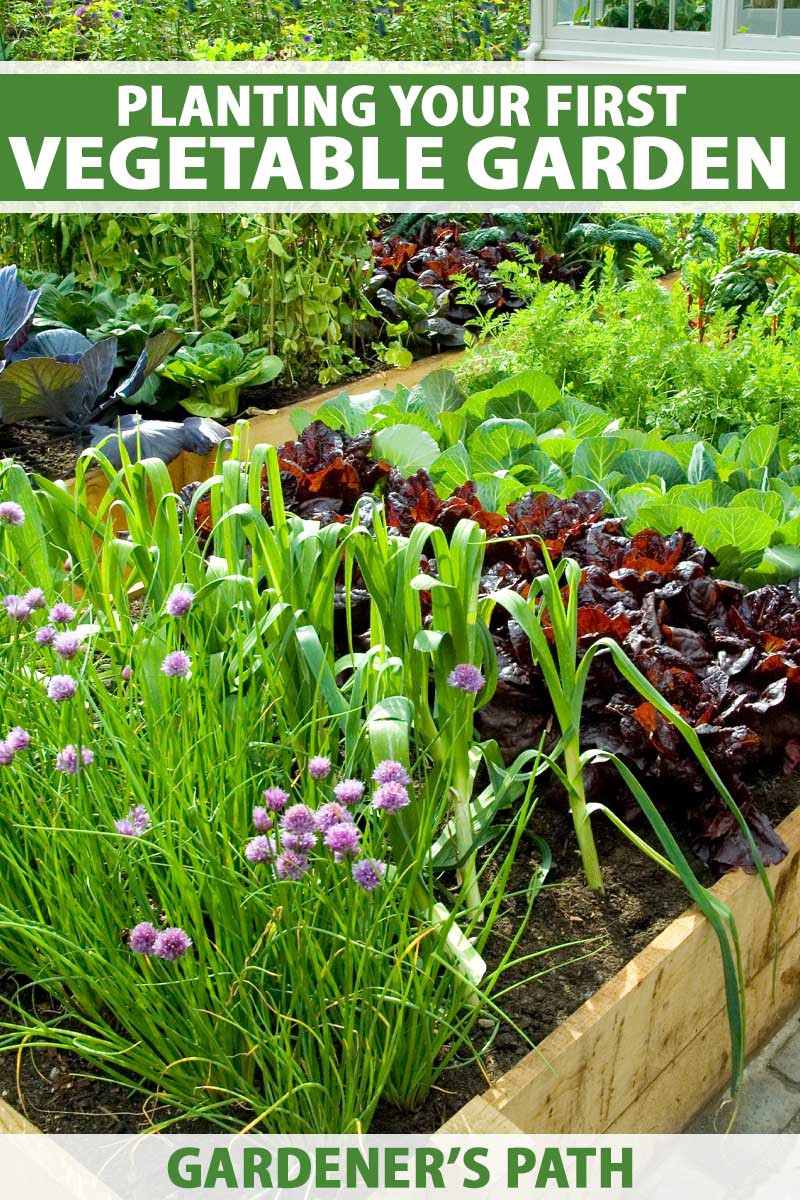
- Image 5: A gardener harvesting vegetables from their compost-enriched garden. The vegetables are large and healthy, and they are a testament to the power of compost.

Post a Comment for "How To Make Your Own Compost For A Bountiful Vegetable Garden"